Marble Boards vs Gypsum Comparison in Kenya: Interior Wall Guide 2026 | BHD Kenya
Quick answer
Marble boards are rigid PVC-based decorative panels with a polished marble-look surface, while gypsum is a plaster board used for smooth painted walls, partitions and ceilings. Marble boards resist moisture and impact better and need no painting; gypsum costs less and suits large ceiling areas, but it damages easily in wet rooms.
Marble boards and gypsum walls are two of the most widely used interior finishing systems in Kenya’s modern construction sector. The choice between them depends on budget, durability expectations, design goals, and environmental conditions.
In residential apartments, commercial offices, and hospitality projects across Nairobi, Mombasa, and Kisumu, both materials are used for wall finishing, partitions, and feature walls. However, they perform very differently in terms of strength, aesthetics, and long-term maintenance.
This guide breaks down their differences in practical, construction-focused terms to help contractors, developers, and interior designers make the right decision.
What Are Marble Boards?
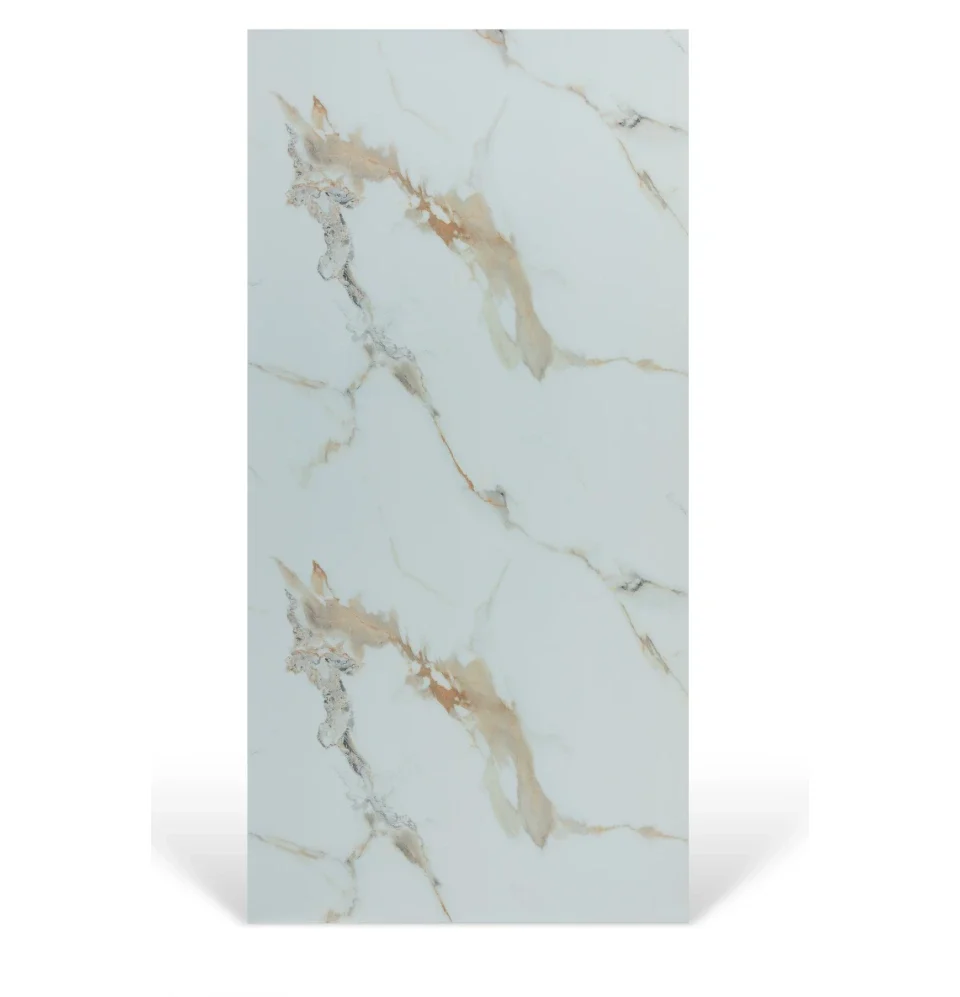
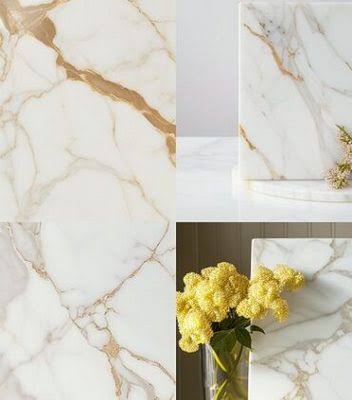
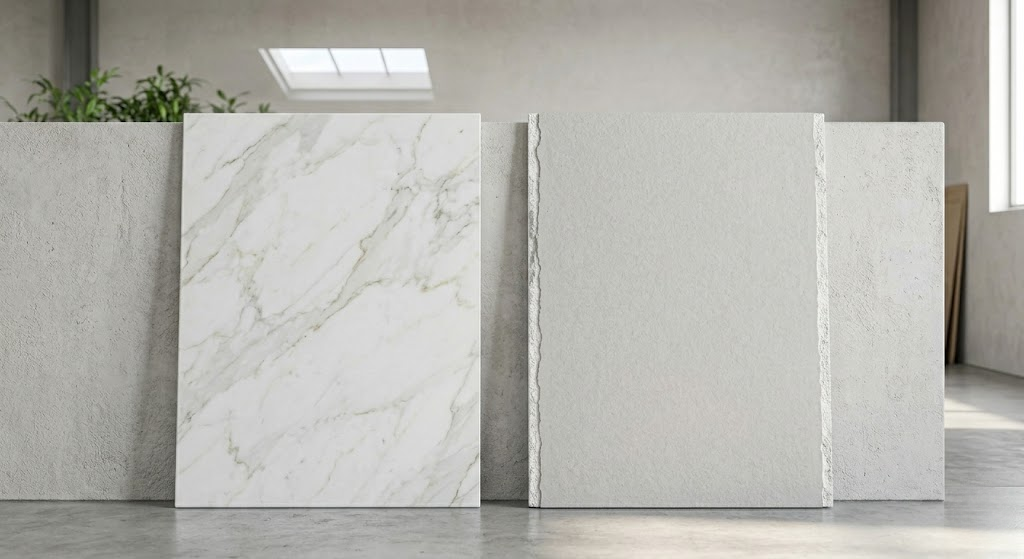
Marble boards are engineered or composite panels designed to replicate or enhance the appearance of natural marble. They are used primarily for decorative wall cladding, feature walls, and luxury interior finishes.
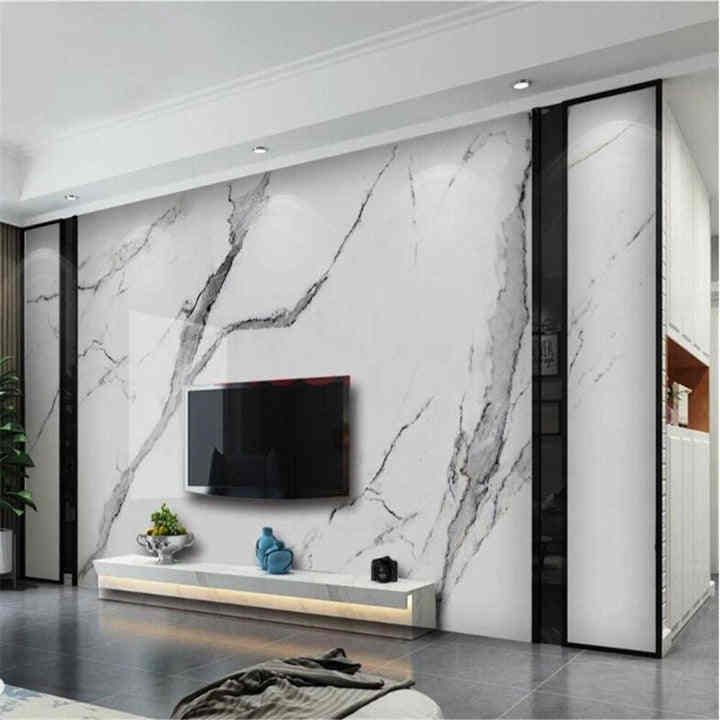
They are commonly installed in living rooms, hotel lobbies, office reception areas, and TV feature walls where a premium finish is required.
marble-boards
Marble boards are valued for their:
- High-end glossy or matte stone finish
- Resistance to moisture compared to painted surfaces
- Long-lasting decorative appeal
- Compatibility with modern lighting systems
What Are Gypsum Walls?
Gypsum walls are interior partition or ceiling systems made using gypsum boards fixed onto metal framing structures. They are widely used in Kenya for creating room divisions, ceilings, and lightweight interior walls.
They are especially common in office spaces, apartments, and commercial buildings where flexible layouts are required.
Gypsum systems are valued for:
- Fast installation and construction speed
- Lightweight structure suitable for high-rise buildings
- Fire-resistant properties
- Easy modification and repair
Internal structural support materials:
square-hollow-section-shs
ms-flat-bars
steel-products-in-kenya
Marble Boards vs Gypsum Walls: Key Differences
Marble boards are decorative finishing panels designed for visual impact, while gypsum walls are structural interior partition systems designed for space division and flexibility.
Marble boards are primarily used for aesthetics and luxury finishes, whereas gypsum is used for functional layout design and construction efficiency.
In Kenya, marble boards are more common in high-end residential and commercial interiors, while gypsum dominates office partitions and ceiling systems.
Durability Comparison in Kenyan Conditions
Marble boards perform better in terms of surface durability because they resist scratches, stains, and moisture exposure when properly installed. They are suitable for long-term decorative applications in both coastal and inland regions.
Gypsum walls are durable for internal use but are more vulnerable to water damage, impact dents, and humidity if not properly sealed or maintained.
In coastal cities like Mombasa, gypsum requires extra protection due to moisture exposure, while marble boards maintain stability under similar conditions.
Aesthetic and Design Flexibility
Marble boards provide a premium, luxury appearance that mimics natural stone textures. They are commonly used for feature walls, TV walls, and reception areas where visual impact is a priority.
Gypsum walls offer greater design flexibility in terms of shapes, curves, and ceiling integration. They are ideal for modern minimalist designs, hidden lighting systems, and partition layouts.
In Kenyan interior design trends, marble boards are used for “statement walls,” while gypsum is used for overall structural interior shaping.
Installation Process Comparison
Marble boards require a stable backing system such as plywood, gypsum base, or metal framing. Installation is more detail-oriented and focuses on alignment, finishing, and adhesive strength.
Gypsum walls are installed using metal studs (often SHS or light gauge steel) and gypsum sheets screwed into place. The process is faster and better suited for large-scale projects.
Gypsum systems are preferred in fast-track developments such as office blocks and rental apartments due to speed of execution.
Cost Considerations in Kenya
Marble boards are generally more expensive due to material cost, finishing quality, and installation requirements. They are considered a premium interior investment.
Gypsum walls are more cost-effective for large-scale interior partitioning and ceiling systems, making them ideal for budget-conscious or high-volume projects.
In Kenya’s real estate market:
- Marble boards increase perceived property value
- Gypsum reduces construction time and labor cost
Maintenance Requirements
Marble boards require minimal maintenance, usually limited to dusting and gentle cleaning. They retain their finish for many years without repainting.
Gypsum walls require periodic repainting, crack repairs, and moisture protection depending on installation quality and environmental exposure.
In high-traffic commercial spaces, gypsum may require more frequent maintenance compared to marble finishes.
Structural and Safety Considerations
Gypsum walls are lightweight and designed for non-load-bearing partitions, making them safe for multi-storey buildings and flexible layouts.
Marble boards depend on proper structural backing and are not load-bearing but require secure mounting systems to prevent detachment.
In Kenya, compliance with KEBS standards (KS 02-17) and the National Building Code 2024 is essential for both systems to ensure safe installation.
Best Use Cases in Kenya
Marble boards are best suited for:
- TV feature walls
- Luxury apartments
- Hotel lobbies
- Office reception areas
- High-end residential interiors
Gypsum walls are best suited for:
- Office partitions
- Ceiling systems
- Apartment room divisions
- Commercial interior layouts
- Fast construction projects
Combined Use in Modern Kenyan Interiors
In many modern Kenyan projects, marble boards and gypsum are used together rather than as alternatives. Gypsum provides structural interior shaping, while marble boards provide decorative finishing layers.
For example:
- Gypsum walls form the base structure
- Marble boards are added as feature wall finishes
- LED lighting is integrated between both systems
This combination is common in Nairobi’s modern apartments and commercial interiors.
Conclusion: Which One Should You Choose?
Marble boards are the better choice when aesthetics, luxury, and long-term visual appeal are the priority. Gypsum walls are better suited for structural flexibility, cost efficiency, and fast interior construction.
In Kenya’s evolving construction market, the best results often come from combining both systems strategically based on function and design intent.
Contact Burhani Hardware Dealers (BHD)
burhanihardwaredealers [at] yahoo.com
Call/WhatsApp: +254 731 217 462 | +254 790 545 205
Visit: BHD, Industrial Area, Funzi Road, Nairobi
Website: https://bhd.co.ke/
Delivery Guarantee:
Same-day delivery within Nairobi.
Next-day delivery countrywide to Nakuru, Kisumu, Mombasa, Eldoret, Thika, Meru, Kitengela, Malindi.
Frequently asked questions

Written & reviewed by
BHD Kenya
Burhani Hardware Dealers (BHD Kenya) is a Nairobi-based supplier of polycarbonate roofing, Alucobond/ACP cladding, Perspex, WPC wall panels and steel products, serving contractors, fabricators and homeowners across Kenya.